Trauma Therapy, Grief Support & Healing from the Inside Out
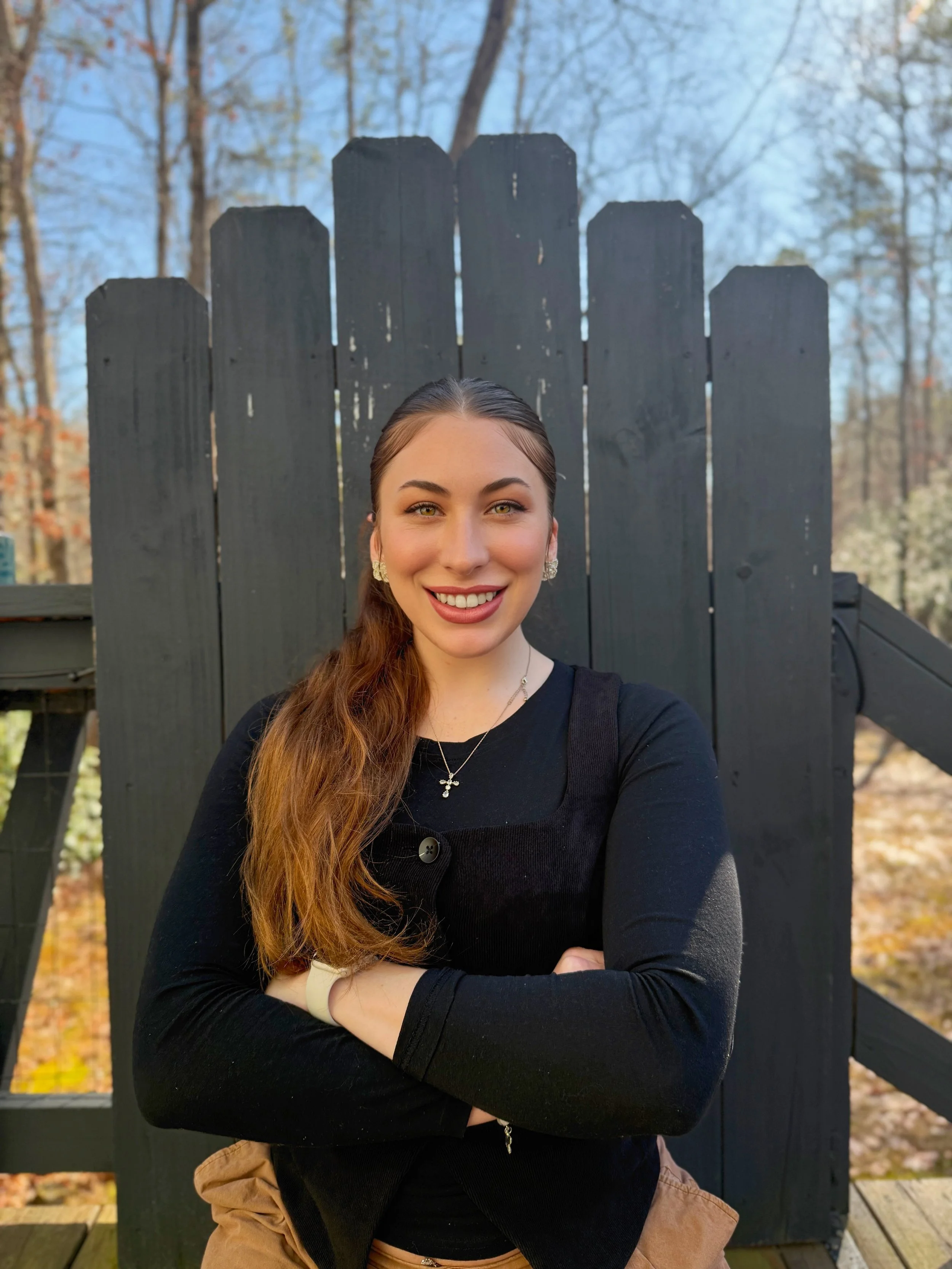
w/Katrina Messer Counseling Intern
You have carried experiences that most people cannot fully imagine, and that weight can make everyday life feel unpredictable and unsafe; it's understandable to feel guarded, disconnected, or frustrated as a result. Your responses—whether hypervigilance, avoidance, anger, or numbness are adaptive reactions to threats you faced, not signs of weakness or failure.
In this space you can name what happened at your own pace, set boundaries, and choose what feels manageable; together we’ll focus on practical skills to help you reclaim a sense of safety in your body and surroundings, identify triggers and patterns, and build routines that support sleep, mood, and relationships. You deserve care that respects your service and your story, treats symptoms with evidence-based tools, and centers your goals—whether that’s reducing distressing memories, improving trust with others, or finding purpose after trauma—and I will walk with you without judgment as you take each step toward healing.
Welcome, I’m Katrina!
My approach is trauma-informed, relational, and empowerment-centered.
In plain terms:
We go at a slower pace together. We do not rush the process: first we create safety and understand what has happened to you.
We make sense of your experiences. We talk about how past events continue to affect how you feel and act today.
We identify patterns that keep you stuck. Many difficult reactions (avoidance, anger, hypervigilance, numbing, reactivity) are understandable responses to what you endured — not signs of personal failure.
We build skills and choices. As you feel safer, we work on practical strategies to manage symptoms, regulate emotions, and strengthen relationships so you have more options in how you respond.
We attend to relationships and connection. Healing often happens in the context of trust. I prioritize the therapeutic relationship and, when appropriate, help you repair or set healthier boundaries in important relationships.
We center your autonomy and strengths. You are the expert on your life. I support your goals, respect your pace, and help you reclaim agency and resilience.
We move between bottom-up and top-down approaches. We address bodily sensations, stress responses, and grounding techniques, alongside meaning-making and cognitive integration.
We monitor safety and stabilize as needed. If memories, flashbacks, or intense distress arise, we first focus on grounding and safety before processing traumatic material.
We tailor treatment to you. I draw from evidence-based methods that fit your needs — for example, trauma-focused cognitive behavioral approaches, skills training, sensorimotor and somatic strategies, or relational work — always adapting to your preferences and rhythm.
You are not alone in this. My role is to provide a steady, compassionate presence, help you understand what has happened, and support you in building a life with greater safety, choice, and connection.
My Specialties
-
![]()
Trauma
I provide trauma‑informed, client‑centered care focused on safety, stabilization, and empowerment. Using evidence‑based methods (, CBT, somatic work), I help process traumatic memories, reduce symptoms (flashbacks, hypervigilance, anxiety), and build coping skills. Treatment is paced to readiness and includes grounding, emotion regulation, psychoeducation, and relapse‑prevention. I collaborate on goals, monitor progress, and coordinate additional supports as needed.
-
![]()
Grief
Grief is a natural response to loss. It can feel overwhelming, confusing, and isolating. Your reactions—sadness, anger, numbness, guilt, relief—are all valid. There is no set timeline; healing happens in your own way and at your own pace. Let’s work together to heal from your grief.
-
![]()
Depression & Anxiety
When your days feel heavy and motivation seems like an impossible task, or when anxious thoughts constantly intrude, making you second-guess everything, it’s easy to feel trapped. Depression and anxiety can make you feel like you're always running on empty, questioning your worth, and your ability to handle life’s challenges. I’m here to help you find tools and strategies that fit your unique needs, so you can begin to experience moments of calm, hope, and joy again. You deserve to feel lighter, more confident, and in control of your emotional world, and we’ll work together to make that happen.



Signs We Will Work Well Together

To help you further, here are concerns my clients often have before working with me:
Feeling like they need to be “strong” all the time
Constantly pouring to others, but struggling to pour into themselves
Constantly beating themselves up for not measuring up to unrealistic standards
Struggles with implementing self-care practices
Negative and unhelpful thinking patterns
Simply needing a space to be themselves
Feeling confident in themselves and their decisions
Coping with anxiety stemming from romantic, personal, and professional relationships
Anxious attachment styles
Grief
Trauma
My Therapy Approaches
-
Cognitive Behavioral Therapy (CBT):
If you often find yourself caught in cycles of negative thinking, self-criticism, or perfectionism, CBT can help you break free. This approach focuses on identifying and challenging the unhelpful thought patterns that keep you feeling stuck or anxious, replacing them with healthier, more empowering perspectives. Together, we’ll look at the connections between your thoughts, feelings, and behaviors, so you can begin to shift your mindset and start living with more confidence and clarity. CBT gives you practical tools to manage anxiety, overcome self-doubt, and move through life’s challenges with greater ease.
-
Person-Centered Therapy:
I believe that you are the expert on your own life, and my role is to create a supportive space where you can explore your thoughts and feelings without judgment. In person-centered therapy, you set the pace, and I’m here to listen, reflect, and help you tap into your inner strengths. By creating a relationship built on trust, empathy, and unconditional positive regard, we’ll work together to uncover your authentic self and help you navigate through life’s challenges in a way that feels right for you. You’ll learn to trust yourself, embrace your growth, and make decisions that align with who you truly are.
-
Trauma Informed
Description goes here
I believe in providing trauma-informed therapy that prioritizes safety, choice, and collaboration. By recognizing how trauma affects the whole person—mind, body, and relationships—I aim to create a respectful, nonjudgmental space where clients regain control, build resilience, and move toward healing at their own pace. My approach emphasizes empowerment, cultural sensitivity, and evidence-informed interventions tailored to each individual’s needs.
My Background:
As a former service member, I understand firsthand the unique stressors, transitions, and invisible wounds that can come with military culture, identity, and life beyond service. This experience deeply informs the way I show up for my client's ensuring therapy feels culturally aware, respectful, and grounded in real-life understanding. If you’ve spent years being “strong,” holding it together, or taking care of everyone else first, therapy can be a place where you finally get to exhale. I would be honored to walk alongside you as you heal, rebuild, and move toward the life you deserve. I am currently working under the direct supervision of Zoe Wade LPC, CPCS.
Therapy w/ me is affordable at $40 per session. I also accept Caresource and Coordinated Care
How to Start
-
Inquire.
To get started, simply click on a “Let’s Connect” button anywhere on our site and fill out an inquiry. It will take less than 5 minutes!
-
Schedule.
Monday 6-8pm EST
Wednesday 6-8pm EST
Friday 6-8pm EST
Saturday 10am-1pm EST